WHAT TO DO WHEN YOUR CAR BREAKS DOWN ON THE HIGHWAY

What to Do When Your Car Breaks Down on the Highway: A Complete Safety Guide

Experiencing a sudden vehicle breakdown is stressful, but breaking down on a fast-moving, busy highway can be downright terrifying. Knowing exactly how to react in those first few critical minutes can mean the difference between a minor inconvenience and a major accident.

According to the (NHTSA), traffic incidents on highway shoulders pose a significant risk to stranded motorists. If your vehicle starts sputtering, losing power, or flashing warning lights, follow this step-by-step safety checklist immediately.

1. Safely Pull Off the Road

Your primary goal is to get your vehicle out of the flow of traffic.

  • Signal Early: Let other drivers know you are moving over, even if your car is losing speed.
  • Aim for the Right Shoulder: The right shoulder is generally wider and safer than the left median.
  • Park on Flat Ground: If possible, try to avoid stopping just past a blind curve or just over the crest of a hill where oncoming drivers can’t see you.

2. Make Your Vehicle Highly Visible

Once you are stopped, you need to make sure your car stands out to passing traffic, especially at night or during poor weather.

  • Immediately turn on your hazard lights (flashers).
  • Keep your parking lights on if it is dark.
  • If you carry an emergency roadside kit, safely place reflective triangles or flares roughly 100 to 150 feet behind your vehicle.

3. Know When to Stay Inside the Vehicle

One of the biggest mistakes motorists make is exiting the vehicle on a busy highway.

Safety Rule: If you can safely exit through the passenger side (away from traffic) and move behind a guardrail or up onto a grassy hill, do so. However, if the highway is tightly packed and cars are flying by, it is generally safest to stay inside your vehicle with your seatbelt securely fastened.

4. Note Your Exact Location

When you call for help, you need to know where you are. Look around for:

  • Highway mile markers
  • Recent exit numbers or cross streets
  • Prominent landmarks or billboard signs

5. Call a Professional Emergency Towing Service

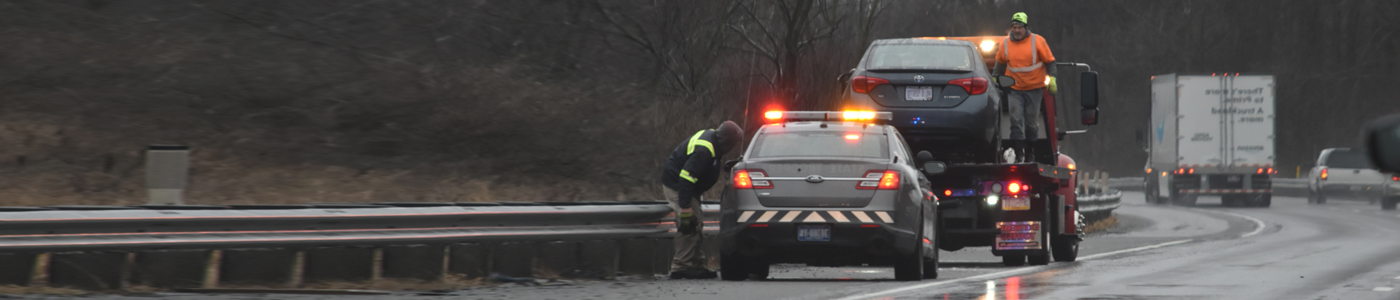
Once you and your passengers are secure, it’s time to call for professional backup. Trying to diagnose a mechanical issue or change a flat tire on a narrow highway shoulder is incredibly dangerous.

Instead, contact a reliable roadside professional who has the proper lighting, equipment, and training to clear your vehicle safely.

Need immediate assistance? Check out our 24/7 Roadside Assistance Services Page to see how quickly our team can get to your highway location.

Leave a Reply

Your email address will not be published. Required fields are marked *